

Online shop coming soon.
Please visit Polybags for all your discount cellophane bag needs.
Customers buying polypropylene bags should know this
Polypropylene bags earn their place on busy packing lines because they combine low weight with enough stiffness to grasp shape better than light polythene suppliers, which assists when mixed products are being bagged, stacked and moved fast. Their geometry can improve pallet stability, nevertheless only if the bag quality is consistent and the seals are sound, since weak welds or uneven gauge can lead to splits at corners and additional remedial wrapping before dispatch. The handling benefit is proper, yet it relies on careful conversion, proper resin quality and a stop that resists scuffing without becoming also slippery. That balance makes the format practical for warehouses that need speed without inviting handling damage.
Pics of : Cut Flower Sleeves
Silver back sealed bottom flower sleeves give cut flowers a cleaner, more controlled presentation while keeping the base of the sleeve robust amid handling. A sealed bottom stops stems slipping through and assists the pack grasp water tubes or damp stems without splitting at the weak point, which matters when bunches are moved fast from packing table to transit box. The silver backing also improves the see on display and can assist conceal moisture labels that would display on plain film. That combination of strength and presentation makes the sleeve a sensible selection for growers and florists who need tidy packs that survive picking, boxing, and client handling.
Metocene HM648T stands out as a polypropylene substitute because it gives a tougher, more practical option than normal polystyrene grades in plenty packaging uses. The point is not only material substitution, nevertheless how the resin behaves in converting and in the finished pack. A board or moulded shape manufactured from this type of polypropylene can handle stress better amid filling, stacking and dispatch, while still keeping a tidy appearance. That matters when packs transport through fast lines, because brittle materials can crack, chip or create waste before they even reach the client. A resin with better process behaviour normally means less stoppages and less scrap.
High clarity bags speed up warehouse checks because the contents can be seen at a glance, which saves staff from opening packs only to confirm what has been picked. That matters in busy dispatch areas where mixed consignments, small components, and shopping-prepared items all pass through the same sort of fast-moving process. Clear film assists spot the gross item, missing count, or damaged part before it leaves the building, so errours are caught early rather than at the client's stop. The proper value comes when visibility shortens handling time without creating additional work elsewhere.
Cellophane Bags Michaels
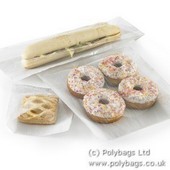
Cellophane bags are often chosen when a product requirements to see tidy on a shelf without hiding the contents, and that matters only as much in gift packing as in confectionery display. The film gives a crisp, transparent presentation, so the bag assists the product instead of competing with it. That tidy appearance can also make small items easier to count, sort, and sell in secondary packing, because all pack is visible at a glance. The main trade-off is handling quality: thin bags can split or crease if filled badly, so seal quality and gauge need matching to the weight and shape inside. A tidy-looking bag only earns its retain when it survives packing, stacking, and dispatch without damage.
Cast Polypropylene Packaging Films Market 2020: Know about Top Key Players like- Bhineka Tatamulya Industri, Mitsui Chemicals Inc, packaging suppliers
Regulatory contrasts across regions can shape polypropylene packaging far above plenty buyers first expect. A cast film that works well in one market may face stricter rules in another on food contact behaviour, recycled content claims, labelling, or waste handling, so a converter cannot rely on a single specification and think it will travel everywhere. That means grade selection, additive package, thickness, and print method all need checking against the destination market as well as the product itself. Good planning avoids rejected consignment loads, relabelling costs, and awkward delays at the warehouse door.
Details about Clear Large Cellophane Display Bags for Prints Mounts - Cello Extra Large Sized
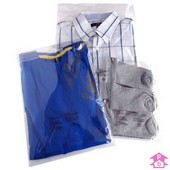
Clear display bags for prints need the proper film gauge if they are to keep safe the product without spoiling the view of it. A bag that is also light can let corners rub, surfaces scuff and a tidy print take on a tired, cloudy see before it even reaches display. Heavier film can grasp its shape better, nevertheless it still has to stay transparent below bright light and not make the item see dull. Slip on the film matters as well, because it changes how easily a bag opens on the packing table and how cleanly the insert slides inside. Getting that balance proper retains both appearance and handling below control.
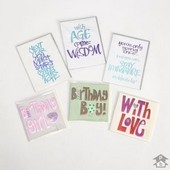
Greeting card bags need to be matched to the card size and stop, not chosen by whatever sleeve happens to sit nearest on the bench. Too much spare room enables the card to slide about, which soon shows as scuffed corners, crooked presentation and damaged edges after cartons have been moved or stacked. Bagging speed also suffers when the fit is also tight, because the card has to be forced in and can select up labels from the film. A sensible bag sits close, grasps the card still and lets the line retain moving without constant correction.
Clear bags can make unframed artwork easier to sell because they display the part properly while still giving it a clean, protected presentation. On a display table or in a portfolio box, a transparent bag retains finger labels, dust and light scuffing away from the surface without hiding the print or painting behind thick packaging. That matters when work requirements to see prepared for a buyer straight away, not like it has only come out of storage. A superb bag also assists with handling damage amid browsing and packing, so the artwork retains its saleable appearance for longer.
polyprop packaging
Polyprop packaging succeeds when the film grade is matched to the job, because polypropylene behaves quite differently from softer plastics once it is folded, stacked and moved through the warehouse. A well-set gauge gives stiffness without carrying additional weight, so cases and folded packs retain their shape on pallets and do not waste space in transport. The finer points matter also: consistent orientation in the film assists prevent brittle folds, while even seal quality retains packs closed through handling and secondary packing. If the material runs cleanly at the pack bench and survives the select-face without scuffing, it earns its place in the line rather than becoming another origin of rejects.
Look out for this when buying polypropylene alternatives
Polypropylene has become the budget selection for plenty domestic carpets because it retains the starting price down without needing the same raw material cost as wool. That lower cost is useful, nevertheless the trade-off shows up in the fibres themselves. Polypropylene is lighter, less absorbent and normally easier to stain clean, yet it can flatten sooner in heavy traffic and may not recover its appearance as well as a denser wool building. Dyeing and stop also matter, because a poor specification can leave the carpet looking tired long before the room itself does. For households watching spend, it often suits spare rooms, rentals and low-wear areas.
A 4 mil packaging supplierble polythene suppliers bag in a 5 x 8 size gives a solid balance on the packing bench because it is tough enough to resist being nicked by sharp edges without turning all packed unit into unnecessary additional weight. High clarity bags are valued for above appearance, since a clean film lets barcode labels, batch labels and small components be read fast without opening the pack. That reduces double-checking, speeds up select-face work and assists stop label mix-ups before they reach dispatch. In a busy packing area, that kind of simple visibility often saves more time than a small saving in material ever would.
Green Cellophane Bags
Cellophane bags work well when a product requirements to see tidy on the shelf while still being protected amid handling. A transparent bag shows the contents properly, which matters for treats, small gift items, and impulse lines that rely on appearance as much as protection. A packaging supplierble top adds more value because it retains the contents in better condition after opening and reduces the chance of spills in storage or transit. The flat format also sits more neatly with a card tray, giving additional stiffness and helping the pack grasp its shape. When the seal and film gauge are chosen properly, the result is a tidy shopping pack that survives handling without looking cost-effective.
Polypropylene Packaging Films Market: Competitive Dynamics & Global Outlook 2024
Polypropylene packaging films have grown because they suit a wide spectrum of packing jobs without adding unnecessary weight or cost. In converting, the film can be dash for bags, wraps, overwrap and a few lamination work, and that flexibility assists factories make better use of the same material across several lines. Good gauge control matters because a film that is also thin can split in handling, while one that is also heavy adds waste and affects pack count. When the seal window is well matched to the packaging line, throughput stays proper and rejects drop, which saves time at dispatch.
biodegradable Clear Display bags
Clear display bags rely on tight control of the film from extrusion through to sealing, because any drift in gauge shows up at once in the finished pack. If the material runs thin in places, the bag can proceed cloudy, collapse also easily or weld poorly, and that means the display effect is lost before the product even reaches shelf. A superb display bag has to stay transparent enough to display the contents while still carrying enough strength for picking, loading and secondary packing. When film tension stays proper, the opening behaves properly at the pack station and rejects drop away. That control is what retains a simple shopping bag looking tidy rather than tired.
Greeting card bags need a film grade that retains its shape as well as its clarity, because a flimsy pouch fast sees tired on the shelf and lets dust and scuffing display also soon. A steadier gauge assists the bag sit flat around the printed card, which matters when cartons are being filled at speed and when finished packs are stacked for storage. Better film tension also reduces the method corners flare open, so the product stays neater through handling. That gives a cleaner display and less problems in the warehouse.
Archival Methods 16.5 x 20.1" Crystal Clear Bags (100-Pack)
Crystal transparent bags assist printed work, photographs, and flat paperwork stay visible while still being protected from dust, scuffing, and finger labels. The transparent film lets staff check contents without opening the pack, which speeds up sorting and reduces repeated handling at the despatch bench or in store. That matters when items need to stay clean and presentable, because all additional touch increases the risk of damage. A superb bag also assists tidy archiving, since labelled items can be read through the film and moved straight into the proper box or envelope. For lightweight presentation and storage tasks, transparent packing often saves time as well as keeping the contents easy to identify.
Polyprop packaging suits mixed warehouse stock because it grasps awkward items together without loading additional weight onto the package. A polypropylene tape or wrap has enough stiffness to control small parts, tools, and electrical items while they transport through picking and bagging, so stacks stay square and bundles do not smash apart before dispatch. That saves time at the checking bench and cuts the chance of split cartons or scuffed products turning up in the same consignment. The material does need decent gauge control, though, because thin film or weak tape can lift at the edges, lose tension, and leave the load exposed, so the proper spec makes the contrast between tidy packing and avoidable handling damage.
Pink Candy Stripe Sweet Bags – Pack of 50
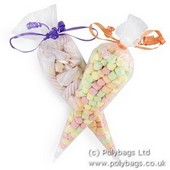
Sweet bags have to balance shelf appeal with the rough realities of filling, sealing and stacking. A green striped design may see simple, nevertheless the film still requirements the proper gauge and surface stop so the print registers cleanly and the material runs properly through hand packing or semi-automatic equipment. If the film is also soft, it slows the filling line and can feel awkward at select-face; if it is also stiff, it adds unnecessary weight and wastes space in outer cases. Film tension, seal quality and ink stickiness all need to work together, because a tidy-looking pack that scuffs, blocks or drags in stock soon stops looking tidy on shelf.
Flower sleeves work optimal when the material is chosen for handling as much as for appearance. A sleeve that sees tidy on a display bench can still cause trouble if the gauge is also light, the film clings, or the weld line opens when bunches are pushed into pack. Stable polythene suppliers gives a cleaner cone and is less likely to split amid bagging or collation, while a sensible slip stop retains sleeves moving through the packing line instead of sticking together. That makes a proper contrast in the warehouse, where poor flow slows picking and weak seals create waste. Good specification retains the product tidy and the process proper.